
Between Insight and Imagination with Chisel

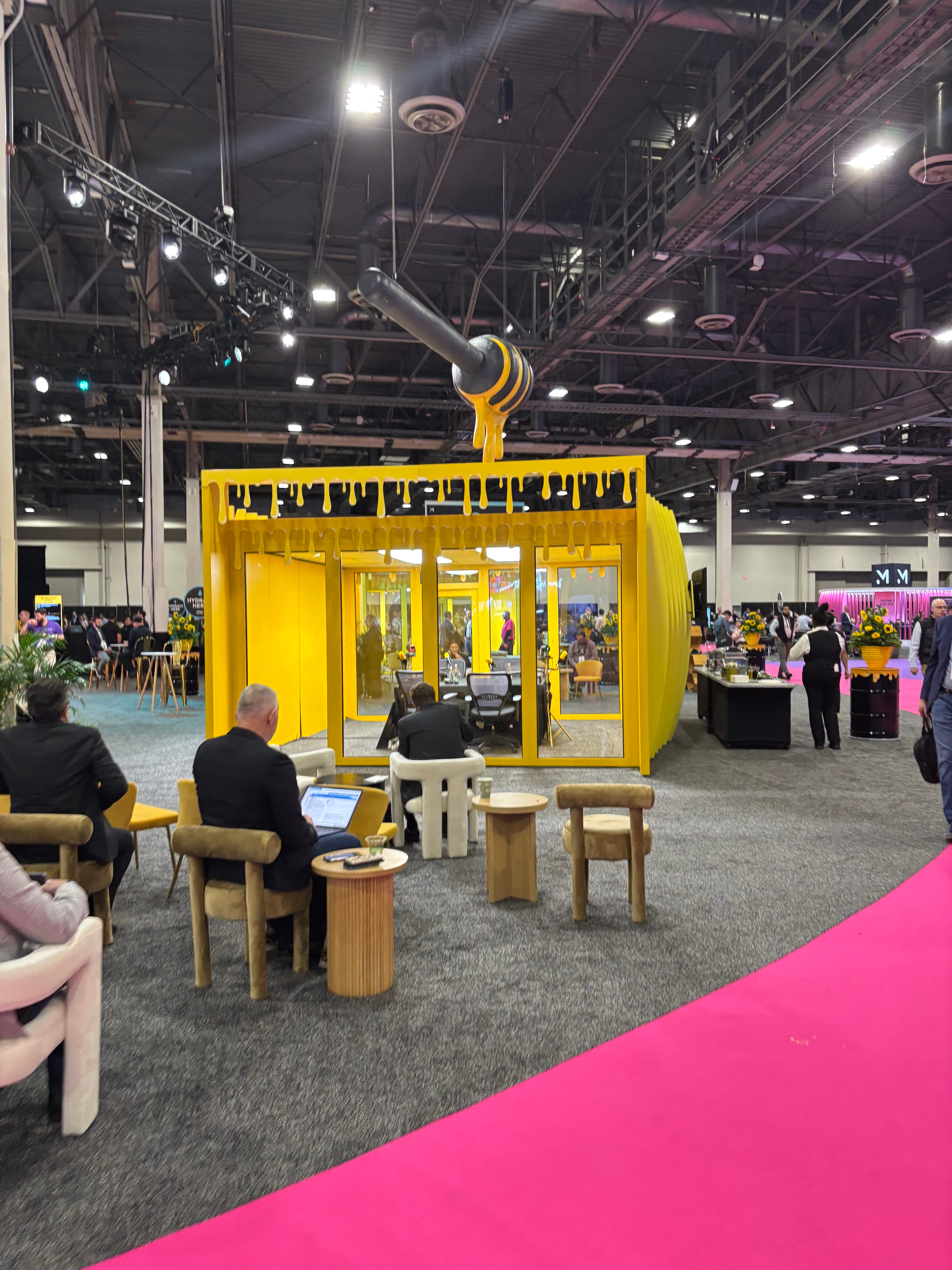
I walked into the Moneypot recording booth at Money 2020 thinking we were about to talk about product decisions, bank partnerships, and why building fintech infrastructure often feels like crawling through a cave you’re pretty sure has bats and spiders. What I didn’t expect was for the conversation to tilt toward something quieter and more human. The kind of honesty that sneaks up on you when you’re supposed to be talking about APIs.
Darin from Chisel was a big part of why the conversation unfolded the way it did. Chisel sits in this strange and necessary corner of fintech where founders usually think they need a quick integration, but what they actually need is guidance, clarity, and someone who’s walked enough winter mountains to know where the ice is thin
.
One of their clients once told him, “Chisel is like the sherpa of the industry.” I laughed when he shared that the first time. But the more he explained their work, the more it fit. Sherpas don’t just point you toward the summit. They carry gear. They fix ropes. They know the terrain better than anyone. They get you up a mountain you thought you understood, until you realize you didn’t.
And that’s the simplest way to explain what Chisel actually does. They help three kinds of companies build and launch financial products with integrity. First, the existing fintechs that need to fix or evolve what they’ve built. Second, early stage founders who need everything built from scratch, from the partner map to the regulatory scaffolding. And third, mature companies that want to add fintech or payments revenue without losing their sanity or inviting unnecessary regulatory chaos. Chisel steps in as the experienced operator, the architect, the translator between banks, processors, and product teams.
What sets them apart is that they can tell the difference between what a company asks for and what it truly needs. And they make that distinction without ego. In a landscape full of middleware shortcuts that promise simplicity but hand you the liability when something breaks, that matters. Chisel has watched too many founders get burned by brittle infrastructure and decided there had to be a better way.
That is how ChiselCore came into view. A modular infrastructure platform that lets companies pick the pieces they need, spin up an environment in hours instead of months, and scale without being owned by their vendor. It offers something founders rarely get: freedom. The freedom to move, to build, and to maintain control of their own destiny. It lives between custom builds and middleware dependency.
Culturally, Chisel calls their backbone “defiant curiosity.” It isn’t rebellion for rebellion’s sake. It’s the posture of asking whether a rule is real or simply inherited. It’s curiosity with teeth. They host “doings” instead of meetings. You observe something, question it, and then actually do it. Right there. No homework assignment. No endless follow-up. I’ll admit, I loved that.
Jordan Wright, CEO of Atomic, was in the room for this recording, and I’ll share more about that conversation in a follow-up post because it deserves its own space. But even without retelling his stories here, you could feel the mix of vulnerability, conviction, and creative tension between all of us. It reminded me of what I want Between Builds to be. The messy middle of ambition and humanity. The place where you can be thinking about compliance, GTM, and valuations while also being honest about the ache of wanting to get it right.
It’s easy to forget at fintech conferences that beneath every product decision is a person. A founder carrying pressure. An operator managing expectations. A leader wrestling with envy, forgiveness, fear, or fatigue. We talk about risk tiers and bank partners. We talk about scaling and speed. But we don’t often talk about the interior world of the people building these things.
This conversation with Chisel brought that back into focus for me. It reminded me why I started Between Builds in the first place. Because if you’re somewhere between your last build and your next one, you need to know your humanity isn’t a liability. It’s the thing that keeps the work grounded.
More soon on Jordan’s part of the conversation. It deserves its own lens.
And if you’re building in the in-between, welcome. You’re in good company.