
Don't Get Fired at Home

Stephany Kirkpatrick has a mantra: don’t get fired at home. The idea is straightforward enough. We pour enormous energy into performing at work, showing up, being the glue, not dropping anything, and then we walk through the front door running on empty. The family gets what’s left, which is often not much.
I’ve been sitting with that phrase since our conversation, partly because I recognize myself in it and partly because I’ve been trying to name something I don’t always have a clean language for. The pull to keep performing even when the most important room you’re in is your own kitchen (and friends, I’m not a cook).
I’ve traveled my entire career, long before I had a husband or children, and the habit of being in motion became part of my identity before I even noticed it happening. By the time I was a C-suite executive at Jack Henry, I had four boys at home and a schedule that required a lot of infrastructure and a lot of grace from the people around me. I didn’t always make great tradeoffs in those years. I was too quick to travel and too slow to stay home, though I also wasn’t entirely wrong that staying wasn’t always what the system rewarded. “Family first” was the mantra, but the promotion path told a different story, and I was moving fast enough that I didn’t stop to fully reckon with that tension until much later. The honest truth is that I didn’t yet understand how much the system had been built without women like me in mind. It had gotten better, meaningfully so, but the residual weight of that still required real sacrifice, and a lot of it landed quietly at home in ways I couldn’t always see from the road.
In 2018, somewhere in the middle of all of the tradeoffs and traveling, I wrote a letter to my boys about what it means to be a man, because I was carrying something I couldn’t quite say out loud to them yet. It was about integrity and showing up and what strength actually looks like.
Looking back at it now, I think part of what I was really doing was making a promise to myself too – a marker of the kind of mother and person I wanted to be, even when the calendar didn’t always reflect it.
On my last day at Jack Henry, we started fostering the daughter who is now ours (Lucy). I don’t think that timing was accidental, though I couldn’t have told you what it meant then. What it means now, I think, was that life was already asking me to expand in a direction that had nothing to do with performance. And then I spent the next three years scaling a fintech as COO, carrying operations, GTM, sales, and finance, which was some of the most exhilarating and most costly work I’ve ever done, and then sold in 2024. Five kids. Three years of building hard. And the tradeoffs in that season were real, too.
Stephany described her tradeoffs, too – years of flying to Taiwan for factory tours, showering in airport lounges, boomeranging back across the world just to be home within 72 hours. She built and led Orum, which was ultimately acquired by Stripe, and she said those years age you quickly. I believe her. And neither of us would unspool those years entirely, because we learned things in them that we couldn’t have learned any other way. But sitting in our mid-40s, we’re both looking back and recognizing something that’s hard to see clearly from inside it: performance addiction isn’t just about ambition, it’s urgency that quietly becomes identity. The machine rewards you for feeding it, you get better, get recognized, get more responsibility, and the cycle reinforces itself in ways that feel like momentum and look remarkably like running.
What Stephany named so honestly (and what I’ve been slowly unlearning myself) is that the rebalancing doesn’t happen on its own. It’s not a destination you arrive at when the exit closes or the kids get older or the calendar finally clears. You have to design for it, and that means being honest about what you’re optimizing for and whether that’s actually what you want.
She keeps a three-night travel rule now. She goes to the math challenge in her third grader’s classroom without apologizing to anyone for taking the hour. Her non-negotiable going forward is that she won’t go anywhere that asks her to apologize for being a parent, not at work and not at home. Small things, but they’re a way of deciding on purpose what the work serves, rather than letting work decide for you.
For me the work is less about rules and more about noticing when I’m operating from urgency versus from something more settled. Earlier in my career, sometimes people said no for me without asking, and other times I felt like I couldn’t say no or I’d lose my place in line. Neither of those is a healthy starting point, and they leave marks you have to work to unlearn. Therapy helps. Real connection helps – the kind that isn’t performing closeness but actually doing it. And mostly, just time spent doing things that have no visible return on investment at all.
I’ve started paying attention differently to small things, the kind that get easy to miss when you’re always in motion. My daughter Lucy left three fuzzy dandelions on my dresser while I was on a call in my office recently. It was such a gift. And if I’m transparent about the wish I made, it was this: I hope it’s not so hard for her, all of this holding and managing and balancing and identity rebuilding that comes with being a woman who wants to do big things and also be fully present to her life. And yet, I hope it’s hard. Because it makes your heart soft and your soul brave if you persist. You learn how the suffering sits alongside the joy, and neither get canceled out. They simply are counterweights.
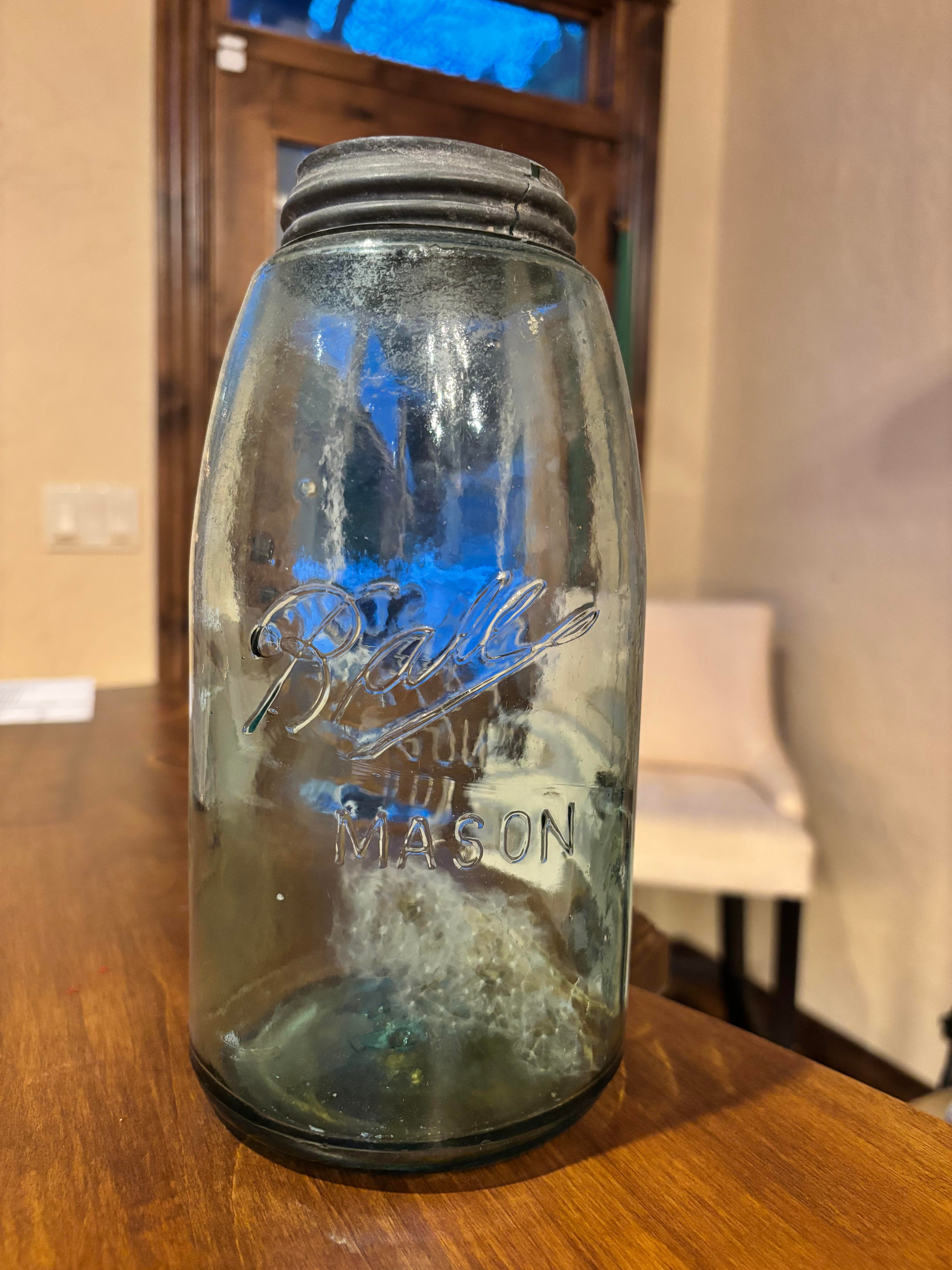
I put the dandelions in an old blue mason jar and sat it on my desk as a reminder of present goodness and future longings. It’s a small thing. But I’ve learned that small things are usually where the real work lives, the ones that don’t get the applause or make the highlight reel, but quietly hold the most weight. The performance addiction that served me so well at work didn’t always leave the best version of me for the people at home. That’s mine. And I think a lot of us who’ve been building hard for a long time know exactly what I mean, even if we don’t say it out loud very often.
That’s what life design versus career design really means in practice. Not a slower version of what you were doing before, but a more honest one. Stephany pushed back on the word “downshifting,” which gets used whenever senior women make intentional choices about what they’re willing to do and where they’re willing to show up. Being choosier isn’t lowering the bar. It’s finally being honest about what the bar was for in the first place.
At 43, I’m still building that. Not from urgency this time, or at least, not only from urgency. From something that’s trying to be a little more whole
.